Why Your Low-Calorie Weight Loss Plan Could Lead To Depression

(© Mark Poprocki
– stock.adobe.com)
In a nutshell
- Calorie-restricted diets were linked to higher depression scores, particularly affecting men and overweight individuals
- Real-world dieting often lacks the nutritional balance of controlled studies, potentially leading to deficiencies that worsen mood
- The study suggests caution with restrictive eating and emphasizes the need for balanced approaches to weight management
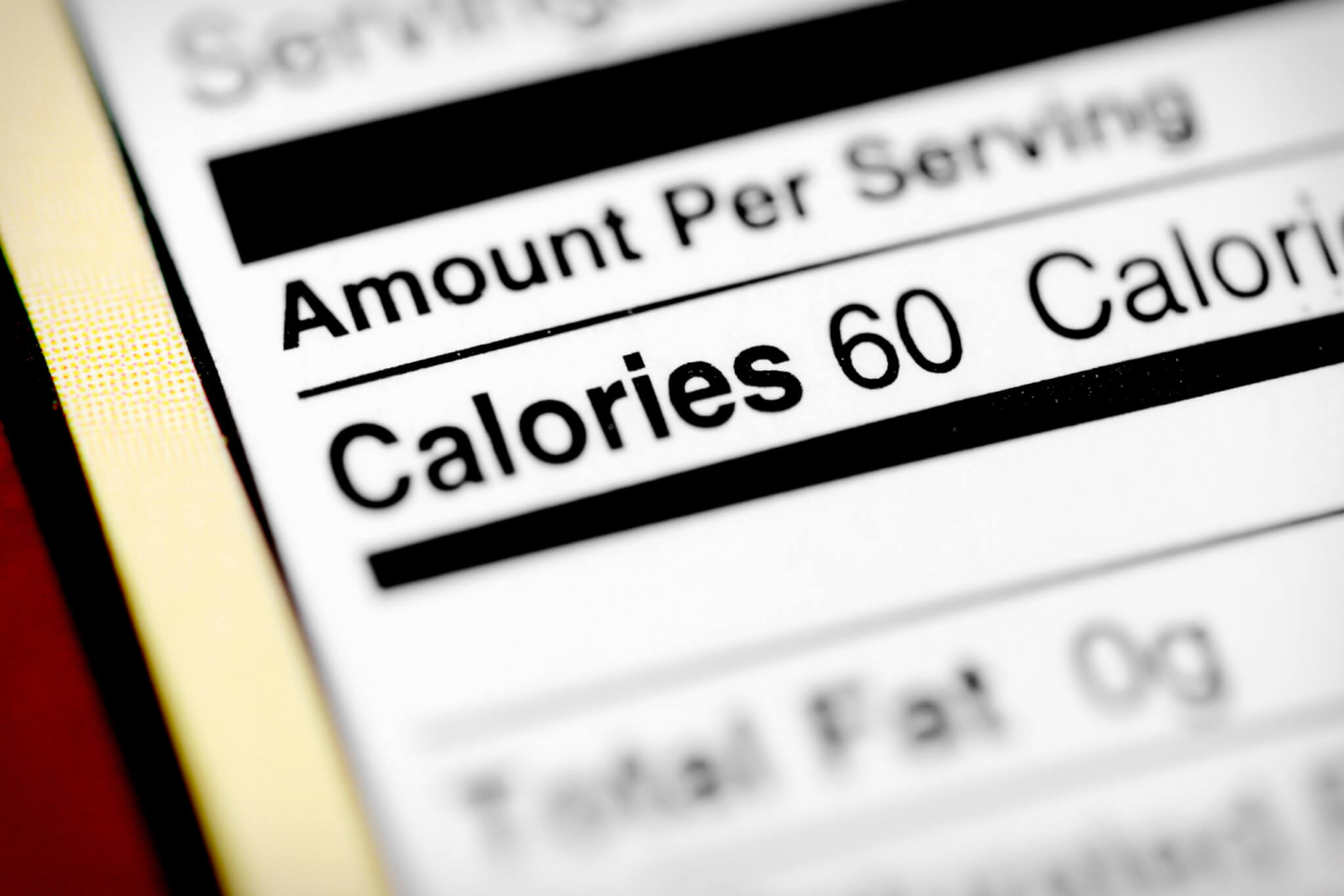
TORONTO — Starting a low-calorie diet to lose weight and feel better? You might want to think twice. A massive new study tracking nearly 30,000 Americans has uncovered a startling conclusion: the people following calorie-restricted diets —the foundation of practically every weight loss plan — scored higher on depression screenings than those who weren’t dieting at all.
The research, published in BMJ Nutrition, Prevention & Health, analyzed six years of national health data and found that men and overweight individuals took the biggest mental health hit from restrictive eating. While we’ve been told for decades that losing weight improves mood, this study reveals a darker side to diet culture that’s been hiding in plain sight.
When Cutting Calories Cuts Into Your Mental Health
Researchers from the University of Toronto examined data from 28,525 adults who participated in the U.S. National Health and Nutrition Examination Survey between 2007 and 2018. They divided participants into four groups: those not following any diet, people on calorie-restricted plans, those on nutrient-restricted diets (like low-fat or low-carb), and individuals following established dietary patterns such as diabetic or DASH plans. Depression levels were measured using the Patient Health Questionnaire-9, where scores of 10 or higher indicate serious mood problems.
Among the study participants, about 8% followed calorie-restricted diets while roughly 3% stuck to nutrient-restricted plans. The results were eye-opening: calorie-restricted dieters scored an average of 0.29 points higher on depression scales compared to non-dieters. For overweight participants, the mental health impact was even more severe. Their depression scores jumped by 0.46 points when following calorie-restricted diets and 0.61 points when following nutrient-restricted diets.
Men faced particularly harsh consequences. Those following nutrient-restrictive diets showed higher cognitive-affective symptoms (problems with thoughts and feelings), while all three types of restrictive diets were linked to higher somatic symptoms in men. This included physical manifestations of depression like fatigue, sleep problems, and appetite changes.

The Laboratory vs. Real Life Problem
Previous studies showing that low-calorie diets improve mood came from carefully controlled research environments where participants received professionally designed meal plans with balanced nutrition. But real-world dieting looks nothing like these laboratory conditions.
“This discrepancy may arise because prior studies were primarily randomised controlled trials (RCTs) where participants adhered to carefully designed diets ensuring balanced nutrient intake. In contrast, real-life calorie-restricted diets and obesity often result in nutritional deficiencies (particularly in protein, essential vitamins/minerals) and induce physiological stress, which can exacerbate depressive symptomatology including cognitive-affective symptoms,” the researchers explain.
When people cut calories on their own, they frequently become malnourished and stressed, creating perfect conditions for mental health problems. Men appear especially vulnerable because they have greater nutritional needs to begin with. “Diets low in carbohydrates (glucose) or fats (omega-3s) may theoretically worsen brain function and exacerbate cognitive-affective symptoms, especially in men with greater nutritional needs,” the researchers note.

Why Overweight Dieters Struggle Most
The study found that overweight participants faced unique challenges with restrictive eating. While successful weight loss typically improves mood, many real-world dieters struggle with sticking to their plans, experience weight cycling (losing weight and then putting it back on), or fail to lose significant weight — all while dealing with the stress of constant restriction.
Rather than the promised mood boost from weight loss, many people end up trapped in a cycle where attempting to improve their health actually undermines their mental well-being. Interestingly, people following established dietary patterns like diabetic diets showed less consistent patterns, though those with obesity following such diets still had higher depression scores than healthy-weight individuals not dieting.
Rethinking Our Approach to Health
The results arrive as social media floods us with transformation photos and celebrity diet endorsements promising quick fixes. But this research reveals that our obsession with weight loss through calorie restriction might be missing something important: mental health.
“This study adds to the emerging evidence linking dietary patterns and mental health, raising important questions about whether restrictive diets which are low in nutrients considered beneficial for cognitive health, such as omega-3 fatty acids and vitamin B12, may precipitate depressive symptoms,” says Professor Sumantra Ray, Chief Scientist and Executive Director of the NNEdPro Global Institute for Food, Nutrition and Health, in a statement.
However, Ray cautions that “the effect sizes are small, with further statistical limitations limiting the generalisability of the findings. Further well designed studies that accurately capture dietary intake and minimise the impact of chance and confounding are needed to continue this important line of inquiry.”
For doctors, the study serves as a reminder to consider mental health when recommending dietary changes, especially for men and overweight patients. For individuals, it points toward gradual, sustainable changes without severe restriction as both safer and more effective long-term.
In our rush to solve America’s weight problem, we may have overlooked the psychological casualties of diet culture. True health requires attention to both body and mind—and sometimes, the path to wellness means stepping away from restrictive dieting entirely.
Paper Summary
Methodology
Researchers analyzed data from six cycles of the National Health and Nutrition Examination Survey (NHANES) conducted between 2007 and 2018. The study included 28,525 adults (14,329 women and 14,196 men) aged 18 and older who completed both dietary assessments and depression screenings using the Patient Health Questionnaire-9 (PHQ-9). Participants were categorized into four dietary groups: not on a diet (87%), calorie-restrictive diets (8%), nutrient-restrictive diets (3%), and established dietary patterns (2%). The researchers examined relationships between diet types and depression while controlling for various demographic and health factors.
Results
The study found that people following calorie-restricted diets had PHQ-9 scores that were 0.29 points higher compared to those not dieting. Among overweight individuals specifically, calorie-restricted diets were associated with 0.46-point increases and nutrient-restricted diets with 0.61-point increases in depression scores. Men showed particularly strong associations, with nutrient-restrictive diets linked to higher cognitive-affective symptoms and all three restrictive diet types associated with higher somatic symptoms. About 2,508 participants (just under 8%) reported depressive symptoms overall.
Limitations
The study’s cross-sectional design cannot establish causation—it’s unclear whether dieting leads to depression or whether people prone to depression are more likely to diet. Participants may not have accurately classified their diets, and the study couldn’t account for actual calorie intake, diet adherence, weight loss success, or duration of dieting. The dietary categories were broad and may not capture individual eating pattern nuances. Some diet types had small sample sizes when broken down by subgroups.
Funding and Disclosures
The authors declared no external funding for this research. The study was externally peer reviewed and used publicly available NHANES data. One author reported receiving support from various organizations including pharmaceutical companies, but this support was not directly related to the current study.
Publication Information
“Mental health consequences of dietary restriction: increased depressive symptoms in biological men and populations with elevated BMI” was published in BMJ Nutrition, Prevention & Health in June 2025 (DOI: 10.1136/bmjnph-2025-001167). The study was conducted by researchers from Unity Health Toronto, University of Toronto, Western University, and University of Adelaide. The paper is available as open access.
link