
Berberine and weight loss: The truth behind the ‘nature’s Ozempic’ hype (health benefits, side effects, risk factors) |

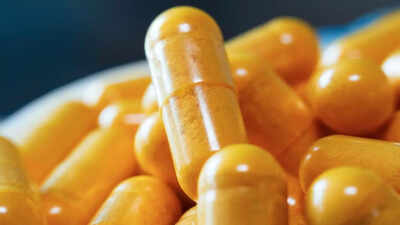
In a world where weight loss is one of the markers of ‘achievement’, Ozempic is the magic pill most people often turn to. The injectable prescription medication used to manage type 2 diabetes and reduce cardiovascular risk in adults with the condition works by regulating insulin and suppressing appetite, and is often used as a weight-loss drug – although it is not approved by the Food and Drug Administration (FDA) for weight loss.Not just clogged arteries: Mayo Clinic study reveals hidden causes of heart attacks in younger womenStomach pain in the right side vs on the left side: Why you must know the differencesDiabetes and prediabetes: 10 fruits that don’t spike blood sugar levelHowever, thanks to its active ingredient, semaglutide, which is found in the weight-loss drug Wegovy, Ozempic has been popularized as one of the most sought-after weight-loss medications. Despite its perks, Ozempic comes with a plethora of potential downsides. But what if there’s a natural alternative to this medication that might have fewer cons, but still deliver results by shedding extra pounds?
Enter Berberine, a plant compound used in traditional Chinese medicine for centuries, which has recently gained popularity as a natural alternative to weight loss drugs like Ozempic.It is being called “nature’s Ozempic,” fueling interest among people who want to lose weight naturally. But what does the science really say? Does berberine actually deliver weight loss results comparable to prescription medications? Take a look.Fact check: Are heart attacks caused by bacterial infections?Kidney health: Best herbal teas for kidney support besides water and supplementsAre you taking vitamin D the wrong way? Top doctor shares tips to fix it
The science behind Berberine: What does research say
What exactly is Berberine?
Berberine is an organic compound classified as a benzylisoquinoline alkaloid. Chemically, it is a quaternary ammonia compound. Its name is derived from the genus of plants, Berberis. The natural alkaloid compound found in plants such as barberry, goldenseal, Oregon grape, and others. Researchers have explored its effects on metabolism, blood sugar, fat stores, cholesterol, and more.
How does it work?
Berberine acts as an anti-sclerotic, lowering the LDL and testosterone levels. The alkaloid exhibits an anti-inflammatory property by stalling the expression of cyclooxygenase 2 (COX-2) and prostaglandin E2. One way berberine works is by activating AMPK (AMP-activated protein kinase), a cellular enzyme that helps control metabolic processes, including how the body burns fats and sugars. When AMPK is more active, it can promote better insulin sensitivity, which may reduce excess fat storage. Furthermore, berberine is neuroprotective and acts as an antidepressant.
What scientific evidence backs Berberine?
Several clinical studies and meta-analyses suggest that berberine may modestly help with weight loss, especially when combined with diet and lifestyle changes:A 2022 review of 18 studies found significant reductions in body weight and BMI in people who took more than 1 gram per day of berberine over periods longer than 8 weeks. However, many studies had small sample sizes, and participants often had other health problems (like diabetes or fatty liver).Some trials report a loss of 5-7% of body weight when berberine was used along with diet/exercise, which is much smaller than what has been observed with drugs like semaglutide (the active ingredient in Ozempic, Wegovy). For example, one trial in people with obesity saw modest losses in weight and improved body fat.However, several trials and reviews show modest effects: reduced body mass index (BMI), slightly lower body fat, improvements in insulin sensitivity, waist circumference, and metabolic markers (cholesterol, triglycerides), and lower blood sugar in people with conditions such as type 2 diabetes or non-alcoholic fatty liver disease (NAFLD). These are helpful if metabolic health is a barrier to weight loss.

Health benefits of using berberine
Multi-way metabolic benefits: Beyond weight loss, berberine appears to improve blood sugar control, insulin resistance, fatty liver, cholesterol levels, and reduce some markers of inflammation. For people with metabolic syndrome or pre-diabetes, these effects are especially useful.Natural origin and long history: Because it’s derived from plants used traditionally for various ailments (digestive, skin, metabolic), many people find it more appealing than synthetic drugs.Relatively good safety profile in the short term: In studies, side effects are generally mild: gastrointestinal issues like diarrhea, bloating, constipation, and nausea. Most people tolerate it fairly well when doses are moderate and gradually increased.Potential low cost vs. prescription drugs: Berberine supplements are often cheaper than prescription anti-obesity medications. This may make it more accessible to some. Also, less need for monitoring (though medical supervision is still recommended).
Limitations of berberine (why it’s not Ozempic)
Not as powerful or well-studied: The weight loss effects of berberine are modest compared to GLP-1 mimetic drugs like semaglutide (Ozempic). Studies are fewer, sample sizes are often small, durations are short, and many participants had other health conditions. Thus, results are harder to generalize.Variability in dosage, formulation, and bioavailability: Different studies have used different doses (sometimes >1 gram/day), different supplement forms, and different treatment durations. Berberine has poor bioavailability: the body absorbs only a small fraction when taken orally. This means that the effective dose and formulation matter a lot.Lifestyle still matters a lot: Diet, exercise, reducing calorie intake, sleep, and stress all play large roles. Berberine is not magic: without lifestyle changes, its effects are likely to be small. Many studies combine berberine with diet or exercise.

Risk factors, side effects, and who should be careful
Digestive disturbances: One of the most common side effects of using berberine includes nausea, abdominal discomfort, diarrhea, bloating, or constipation. Usually mild, but uncomfortable for some.Drug interactions: Berberine can affect how certain medications are broken down in the body (via liver enzymes). For example, it may interfere with drugs metabolized by CYP enzymes. Also, interactions with metformin or other diabetes drugs may lead to too low blood sugar (hypoglycemia) or other side effects.Not for everyone: People who are pregnant or breastfeeding should preferably avoid berberine. Besides, infants, or those who are under 18, also should stay off. Additionally, people with liver disease, kidney disease, or those taking medications that already affect metabolic systems need to seek professional advice and practice caution.Unregulated supplements: In many countries (including the US), supplements are not regulated as strictly as medications. That means that purity, dose, and what’s really in the bottle can vary. There is a risk of contamination, incorrect labeling, or false health claims.See more: Weight Loss Tips to Lose Inches of Stubborn Belly Fat in a Healthy Way
The final word
Berberine is not a prescription weight loss drug like Ozempic, and it does not replicate the same effects. However, scientific studies suggest it has real, though modest, potential for supporting weight loss and improving related metabolic health markers, especially for people with insulin resistance, type 2 diabetes, or fatty liver disease.However, if you think berberine might help you, it’s recommended to talk to a healthcare provider first. Ensure you use a high-quality supplement, monitor for side effects, and combine it with a healthy diet, movement, and other lifestyle measures. For many, the safest and most effective weight loss path will still include changes in food, activity, sleep, and stress, not relying solely on any one supplement – plant-based or otherwise.
link