8 best protein powders for weight loss 2024, expert reviewed

Pros
Whey, keto, and plant-based formula options
Contains all essential amino acids
Suitable for vegan and dairy-free diets
Cons
Limited servings in a package (14 servings)
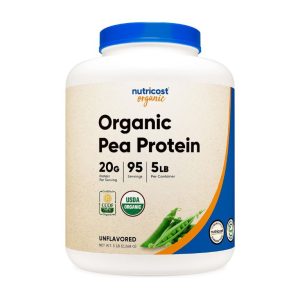
Nutricost Organic Pea Protein Isolate is an affordable, plant-based protein powder rich in essential amino acids and iron.
Key product features

High protein
20 grams

Calories
Low

Ingredients
One

Flavors
Unflavored
What you should know
Nutricost Organic Pea Protein checks a majority of our boxes, including third-party testing, minimal ingredients, and effectiveness.
-
Nutricost Organic Pea Protein Isolate is a plant-based protein that supports muscle growth and weight loss.
-
At $0.43 per serving, Nutricost pea protein powder is one of the most affordable protein powders on our list.
-
This protein powder is best suited for people who follow a plant-based diet and have a hard time consuming more protein.
-
One serving of Nutricost Organic Pea Protein provides 30% of the daily value for iron.
Pros
Suitable for vegan and dairy-free diets
Cons
Only one flavor (unflavored)

This is a high-protein, plant-based meal replacement drink that provides a healthy dose of essential nutrients in every serving.
Key product features
High protein
25 grams
Ingredients
Natural

Fiber
4–7 grams
Flavors
Unflavored
What you should know
Ka’Chava All-In-One Nutrition Shake is a one-stop shop for protein and weight loss. It’s a meal replacement drink packed with nutrition to keep you full and energized.
-
Ka’Chava is a nutrient-packed, high-protein meal replacement shake made with natural ingredients.
-
Compared to the other protein powders, the Ka’Chava shake is quite expensive at $4.67 per serving. However, it’s a complete meal.
-
If you’re looking for a high-protein vegan meal replacement to help you reach your weight goals, then Ka’Chava All-In-One Nutrition Shake may work for you.
-
Ka’Chava has a subscribe and save program that brings the cost down to $4.00 a serving.
Pros
High-protein meal replacement
Suitable for vegan and dairy-free diets
No artificial colors, flavors, or sweeteners
Cons
Expensive at $4.67 per serving
Contains tree nuts (coconut)
Processed in a plant with milk, wheat, and soy

Ritual’s Essential Protein Daily Shake 18+ is a clean, plant-based protein powder designed for vegans who want to build muscle.
Key product features
High protein
20 grams
Fat
Low
Carbs
3 grams
Sweetener
Monk fruit
Flavors
Vanilla
What you should know
Essential Protein Daily Shake 18+ is a high-quality plant protein powder made from natural, all-vegan ingredients. It distinguishes itself from other protein supplements by sharing the origin of each ingredient.
-
Essential Protein Daily Shake 18+ adds L-methionine, an essential amino acid, to improve the amino acid profile.
-
At $2.67 per serving, Essential Protein Daily Shake 18+ is more expensive than other protein powders.
-
This vegan protein is designed to support lean muscle and strength while providing a complete amino acid profile.
Pros
No artificial colors, flavors, or sweeteners
Cons
Only available in vanilla flavor

Ritual’s Essential Protein Daily Shake 18+ is a clean, plant-based protein powder designed for vegans who want to build muscle.
Key product features
High protein
25 grams
Fat
Low
Carbs
Low
Sweetener
Stevia/sucralose
What you should know
Jacked Factory Authentic Iso Cinnamon French Toast is a great-tasting and budget-friendly protein powder featuring high-quality whey protein isolate.
-
Our testers really enjoyed the flavor of this protein powder, raving about its taste and consistency.
-
At $1.33 a serving, Jacked Factory Authentic Iso is priced below average, making it a good value.
-
If you’re looking for a delicious post-workout shake, this is the protein powder for you.
-
This protein powder contains artificial flavors and sweeteners like sucralose.
Pros
Contains grass-fed whey protein isolate
Low in carbs, sugar, and fat
Provides 25 grams of complete protein
Cons
Contains artificial sweeteners
Not suitable for vegan or dairy-free diets

At $1.31 per serving, Sports Research Whey Protein is a budget-friendly, high-quality whey protein powder for weight loss.
Key product features
High protein
25 grams
Carbs
2–4 grams
Sugar
Low
Fat
3.5–4 grams
Flavors
2
What you should know
With 25 grams of protein in each serving, Sports Research Whey Protein powder packs in high-quality protein at a great price.
-
Sports Research Whey Protein is a high-quality protein powder with 6.9 grams of BCAAs and 1,000 milligrams of leucine focused on maintaining and building lean muscle.
-
At $1.46 per serving with the 2.1-pound bag or $1.09 per serving with the 5.1-pound bag, this high-quality protein powder fits any budget.
-
This product contains 25 grams of protein, 6.9 g of BCAAs, and 1,000mg of L-Leuicine, a great option for those who are trying to put on lean muscle while shedding fat.
Pros
High-quality whey protein isolate
High leucine content to support lean muscle
Cons
Not suitable for vegan or dairy-free diets
Contains tree nuts (coconut)
How we test protein powders
Finding the right supplement that meets health goals and delivers on promised claims requires time and research. On top of that, you need to consider product safety and price.
Dedicated to helping you find the best protein powder for weight loss, we do the leg work for you. Our team tested, evaluated, and fact-checked dozens of protein powders on the market, taking many key factors into consideration, including effectiveness, quality, safety, and price, looking for supplements that rank high in several key areas to create our list of recommendations. Learn more about our
whey protein powder scoring methodology
and
plant-based protein powder methodology
here.
We used the following criteria to score each protein powder:
Protein source—40%
The protein source is important because it affects the product’s digestibility, nutrient profile, and environmental impact. We consider the origin of the protein to ensure it meets vegan standards and provides a high-quality, sustainable option.
Here’s what we look for:
-
Whey
-
Casein
-
Soy
-
Pea
-
Brown rice
-
Hemp
-
Lentil
-
Chia
-
Pumpkin Seed
-
Blend
Complete protein—20%
Whether the protein is complete is crucial for determining if it provides all nine essential amino acids needed for muscle repair and overall health. We consider this to ensure that the product can serve as a reliable, sole protein source without requiring additional supplementation.
Macronutrient calories per serving—15%
The balance of macronutrients per serving is important for managing energy levels, weight, and overall nutrition. We consider these calories to evaluate if the product supports specific dietary goals, such as high-protein or low-carb diets.
Our factors in this rating include:
-
Calories from protein
-
Calories from carbs
-
Calories from fats
Total protein per serving—15%
The amount of protein per serving is a key factor in determining the product’s effectiveness in meeting daily protein needs.
Our factors in this rating include:
-
20 grams of protein or less per serving
-
21 to 30 grams of protein per serving
-
Over 30 grams of protein per serving
Price per gram of protein—5%
Understanding the cost efficiency is important for those who want to manage their budget while meeting their nutritional needs. We consider the price per gram of protein to compare the value of different products.
These are the ranges we consider:
-
$0.30 to $0.50 per gram
-
$0.60 to $0.80 per gram
-
$0.90+ per gram
Sweeteners—5%
Sweeteners play a significant role in the taste, caloric content, and health impact of the product. We consider the type and amount of sweeteners used to evaluate their impact on flavor, their suitability for low-sugar diets, and any potential health implications.
Here are the common ones we evaluate:
-
Sugar
-
Dextrose
-
Honey, agave
-
Stevia
-
Maltodextrin
-
Erythritol
-
Monk fruit
-
Sucralose
-
Aspartame
-
Xylitol, acesulfame
What type of protein powder is best for weight loss?
The best protein powder for weight loss is the one that fits your personal needs and preferences, helping you meet your daily protein targets. Factors such as your dietary requirements, taste preferences, and budget all play a role in choosing the right product. Whey protein is often considered one of the top options for weight loss due to its high-quality amino acid profile, fast absorption, and ability to boost metabolism and satiety. (
4
) However, if you’re vegan or lactose intolerant,
plant-based proteins
like pea, hemp, or brown rice protein can also be effective.
Choosing a protein powder that fits your dietary preferences as well as one with minimal added sugars and fillers will help you avoid unnecessary calories (a key component of weight loss). Ultimately, the best protein powder is one that fits seamlessly into your lifestyle and supports your overall health goals.
What to look for in a protein powder for weight loss
Rather than selecting a protein powder designed for weight loss, look at the ingredients, protein source, nutrition facts, and third-party testing. Choose protein powders that meet your goals and preferences.
Ingredients
Protein powders for weight loss may contain artificial sweeteners, flavors, preservatives, and fillers. Carefully review the ingredient list and choose protein powders that have the type of protein you prefer but without artificial flavors, sweeteners, colors, and additives.
Protein sources
Whey and pea protein are common main ingredients in protein powders. Though research suggests whey protein may improve body composition by boosting lean muscle, no single protein source works better than any other for weight loss. (
19
,
20
)
Whey protein powder is popular and highly researched, but if you have a milk allergy, lactose intolerance, or follow a plant-based diet, you may prefer pea protein or a plant-based protein blend.
Nutrition label
Select a protein powder that meets your nutrition goals. A good protein powder for weight loss provides 20 to 40 grams of protein per serving and has little to no added sugar or artificial ingredients. (
21
)
Third-party testing
Supplements don’t go through the same rigorous testing as medications. It’s up to the manufacturer to ensure their product is safe and effective and contains the ingredients in the amounts listed on the label.
Be sure to look for third-party certification labels from organizations like U.S. Pharmacopeia or NSF indicating independent testing of the protein powder.
FAQs
How does protein powder help with weight loss?
Protein powder supports weight loss by curbing hunger, reducing cravings, and maintaining muscle mass. Protein is also more thermogenic, meaning it burns more calories during digestion compared to carbs or fats. (
22
) Additionally, it increases feelings of fullness after consumption, which can help reduce overall calorie intake.
How much protein do I need per day to lose weight?
The amount of protein you need per day to lose weight depends on your lifestyle, eating preferences, and exercise habits. A healthy diet should have about 15-30% of calories from protein. Aiming for closer to 30% of calories from protein may help you lose weight. (
22
)
Will protein powder help burn belly fat?
Protein powder can support weight loss as part of a balanced diet. It helps increase protein intake, which can boost feelings of fullness, support metabolism, and preserve lean muscle mass. While it doesn’t directly target belly fat, it can assist in overall fat loss when combined with regular exercise and healthy eating habits.
When is the best time to use protein powder for weight loss?
Recent research suggests there isn’t a specific best time to take protein powder—what’s most important is meeting your daily protein needs. (
23
) To maximize its benefits, consider how it fits into your goals and routine. For instance, if you work out in the morning, a
post-workout protein shake
can support muscle recovery and keep you full throughout the day. (
23
) Alternatively, it can be used as a snack or
meal replacement
to help control calorie intake and maintain satiety between meals.
These statements have not been evaluated by the Food and Drug Administration. These products are not intended to diagnose, treat, cure, or prevent any diseases.
Our experts
Dr. Robert Wildman, Ph.D., RD, LD, CISSN, FISSN
“Dr. Rob” is a globally renowned exercise, fitness, and nutrition expert who speaks around the world on exercise and sports nutrition and continues to work with professional and elite athletes to achieve their highest level of performance, health, and fitness. Rob received his Ph.D. from Ohio State University, his MS from Florida State University, and his BS from the University of Pittsburgh. He is also a registered and licensed dietitian.
Kelly Uhler
Kelly has a multifaceted background in elder care, health care, and copywriting. She has worked for organizations such as A Place For Mom and Homecare.com, which gave her the opportunity to work closely with families, providing reliable information to help them make informed decisions about their loved one’s health, safety, and quality of life.
Stephanie Hope, CSSC, CSMC, CLC
Stephanie Hope has over seven years of experience in product and service journalism, with a focus on sleep and well-being. Not only is she a Certified Sleep Science Coach, but she is also a Certified Stress Management Coach, and Longevity Coach, and is working on becoming a Wellness Coach through the Spencer Institute.
Joana Neziri, MS, NASM–CPT
Joana is a writer, editor, and content strategist focusing on nutrition, fitness, and all things health. After earning a master’s degree in business from the University of North Florida, she began a career in research and digital marketing.

Jill Corleone, RD
Fortune Recommends Nutrition Writer
About Author
Jill’s life has centered around nutrition and fitness for more than two decades. After earning her bachelor of science in nutrition at New York University in Manhattan, Jill went on to complete her internship at the University of Medicine and Dentistry of New Jersey in Newark.
She spent the early part of her career working as a clinical dietitian with a focus on pediatric nutrition. She then transitioned into management. Jill began her career as a freelance writer in 2007 while working as a clinical nutrition manager in Florida. She became a full-time writer in 2010 after the birth of her first child.
Jill has written for numerous publications, including Verywellfit, Diabetes Self-Management, Huffington Post, Livestrong.com, and SFGate.
link