
5 things you need to do immediately if you’re diagnosed with pre-diabetes | Health News
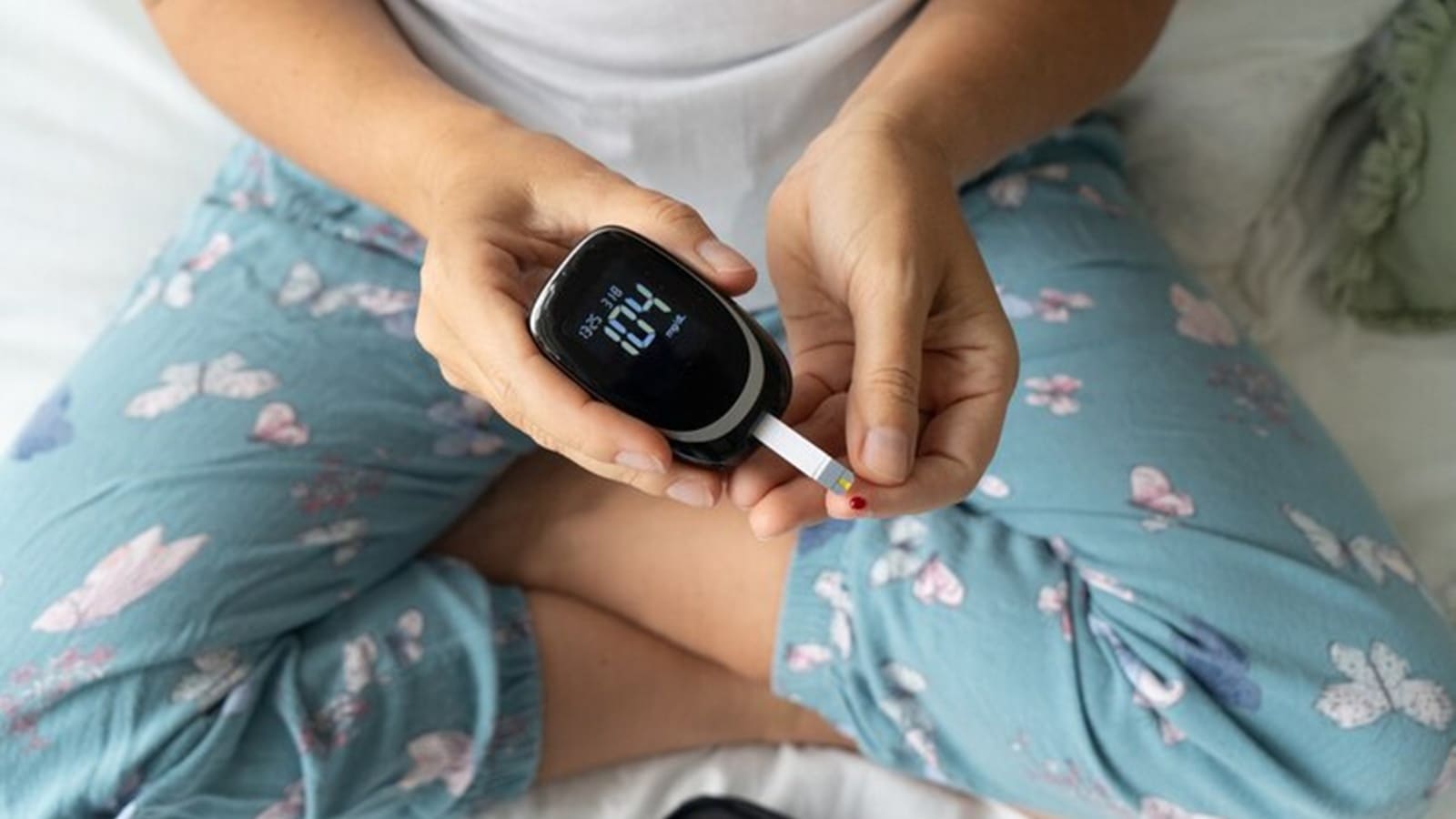
Being diagnosed with prediabetes is a wake-up call but not a life sentence. It’s an opportunity to make significant changes to your lifestyle to prevent the progression to type 2 diabetes.
Prediabetes often develops due to a combination of genetic factors and lifestyle choices. Following a foolproof plan to control the disease can reduce the risk of associated conditions like heart disease. Focusing on diet, exercise, weight management, and regular monitoring ensures a comprehensive approach to health.

Here’s a detailed plan based on expert advice from Dr Dheeraj Kapoor and Kanikka Malhotra, focusing on effective strategies for managing prediabetes.
1. Prioritise a Healthy Diet
Malhotra, a clinical nutritionist and diabetes educator, advises switching to a nutrient-rich diet focusing on whole, unprocessed foods.
- What to include: Fruits, vegetables, whole grains, lean proteins, and healthy fats.
- What to avoid: Sugary snacks, sweetened beverages, junk food, and processed meals.
- Why it works: A balanced diet helps regulate blood sugar levels and reduces the strain on your pancreas.
2. Get Moving
Physical activity is vital for improving insulin sensitivity and managing blood sugar.
- Aim for 150–180 minutes of moderate exercise weekly, such as brisk walking, swimming, or cycling, advised Dr Kapoor, the head of Endocrinology at Kokilaben Dhirubhai Ambani Hospital, Mumbai
- Incorporate strength training to build muscle, which enhances glucose uptake.
- Why it works: Exercise reduces insulin resistance and helps maintain a healthy weight.
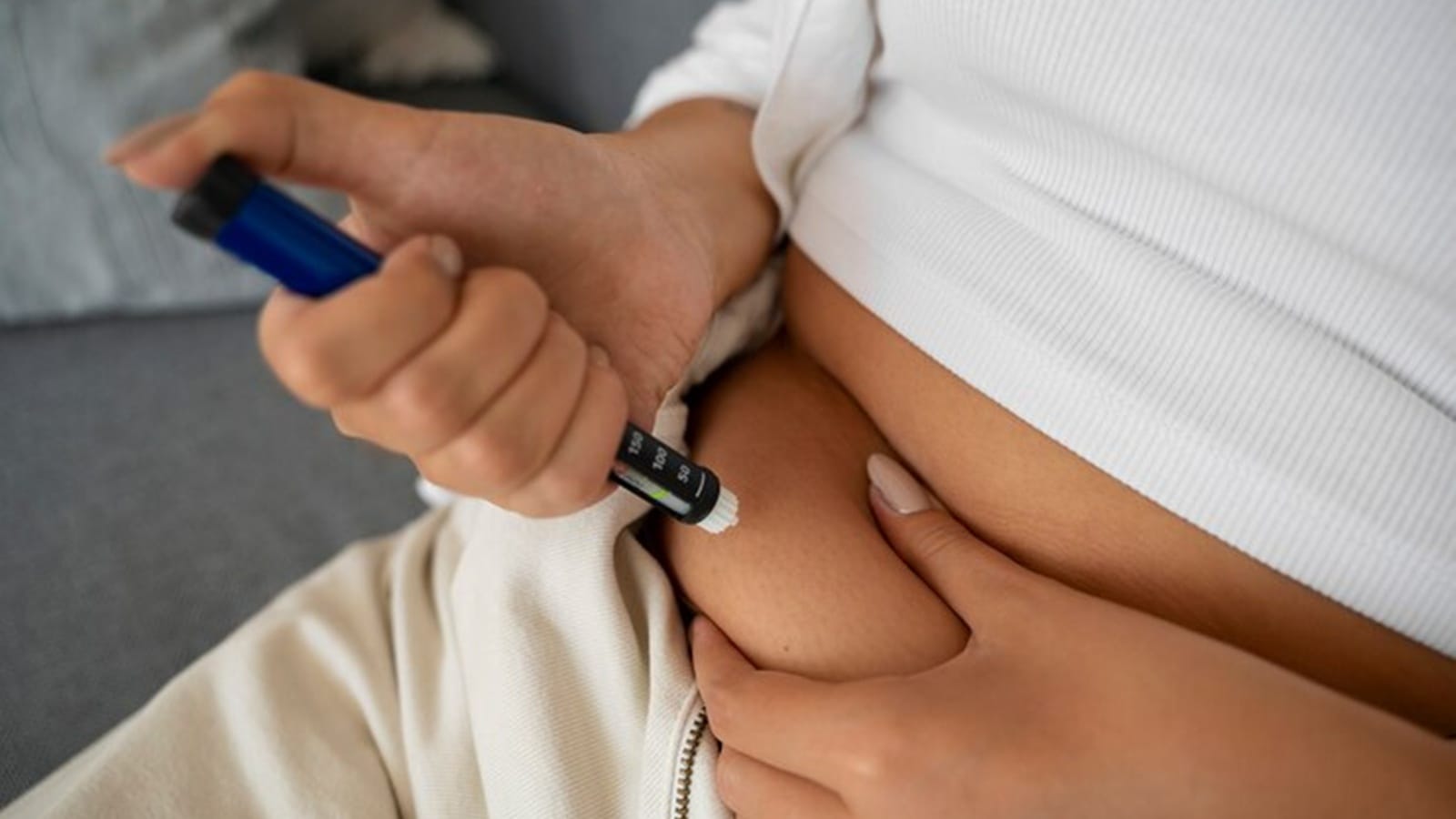 Focusing on diet, exercise, weight management, and regular monitoring ensures a comprehensive approach to health. (Source: Freepik)
3. Focus on Weight Management
Dr Kapoor said that if you’re overweight, aim to lose 5–7% of your body weight.
- This modest reduction can improve insulin sensitivity and lower fasting blood sugar levels.
- Pair portion control with physical activity for better results.
4. Monitor Blood Sugar Levels
Track your progress regularly through blood glucose monitoring, Malhotra advised.
- How it helps: Monitoring keeps you informed about how your diet, exercise, and other changes impact your sugar levels.
- Use these insights to adjust your lifestyle and discuss results with your healthcare provider.
5. Get Adequate Sleep and Manage Stress
Both experts emphasised that poor sleep and high-stress levels can worsen insulin resistance.
- Sleep goal: Aim for 7–8 hours of quality rest each night.
- Stress management: Practice relaxation techniques such as meditation, deep breathing, or yoga.
By acting early, you’re not just preventing diabetes but also improving your overall well-being.
DISCLAIMER: This article is based on information from the public domain and/or the experts we spoke to. Always consult your health practitioner before starting any routine.
Discover the Benefits of Our Subscription!
Stay informed with access to our award-winning journalism.
Avoid misinformation with trusted, accurate reporting.
Make smarter decisions with insights that matter.
Choose your subscription package
📣 For more lifestyle news, click here to join our WhatsApp Channel and also follow us on Instagram
link

:max_bytes(150000):strip_icc()/A-Cardiologist-Shares-the-Most-Meaningful-Change-You-Can-Make-for-Better-Heart-Health-e058d2d7f85a41ffa03cd0692f08e0de.jpg "Limit This Food for Better Heart Health")